

Third Person (Plural) INSTALLATION (2020)
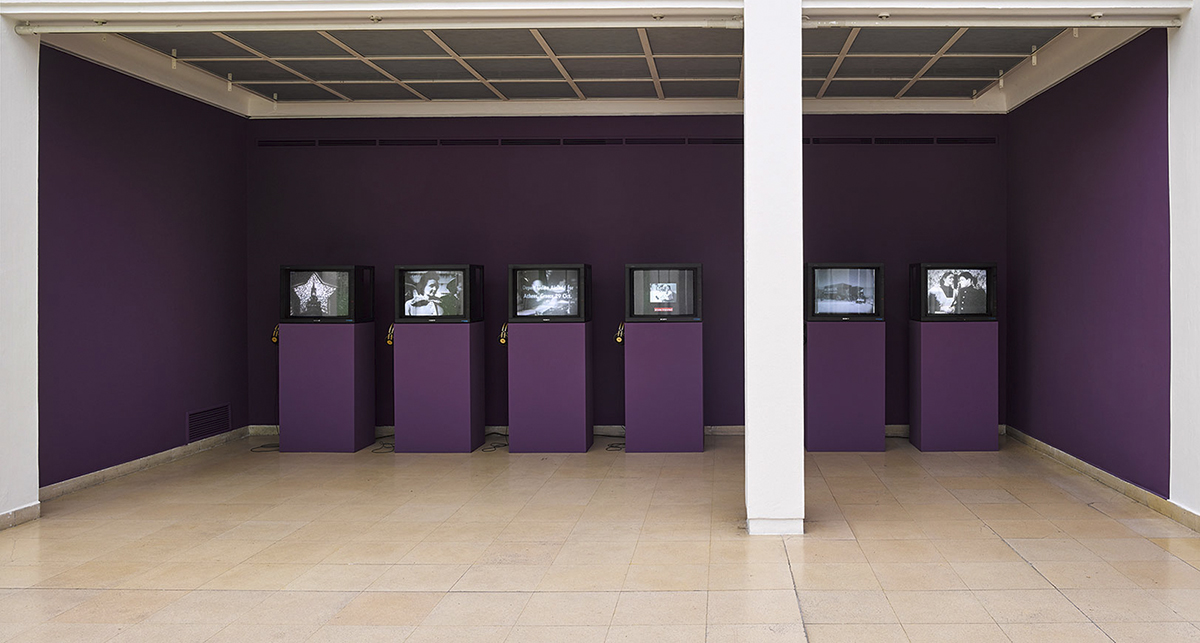
8 single-screen collage films presented in square monitors, durations variable
First presented at A New Europe, Brighton Photo Biennale (2018). Curated by Shoair Mavlian (1 episode presented)
https://photoworks.org.uk/aikaterini-gegisian-third-person-plural-prelude-brotherhood/
Reports from the Capitalocene, Kunstpavillon, Innsbruck, 2019. Curated by Andrei Siclodi (6 episodes presented)
https://www.buchsenhausen.at/en/event/exhibition-of-the-buechsenhausen-fellows-2018-19/
Joy for Ever. Whitworth, Manchester, UK, The Whitworth, Manchester, 2019. Curated by Poppy Bowers (2 episodes presented)
https://www.whitworth.manchester.ac.uk/whats-on/exhibitions/pastexhibitions/joyforever/
Third Person (Plural) FILM (2023)
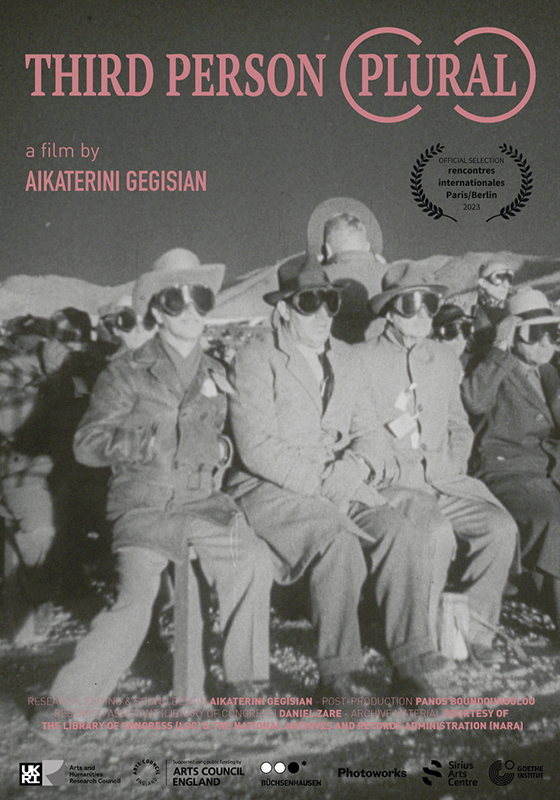
Feature Length Collage Essay Film, B&W and colour, stereo sound, 65 mins 30 secs
International Film Festival Innsbruck (IFFI)
https://iffi.at/en/movies/third-person-plural/
Rencontres Internationales Paris/Berlin
https://www.art-action.org/site/en/prog/23/paris/index.php
Cork International Film Festival (CIFF)
https://corkfilmfest.org/events/ciff-legacy-day-68ebacafe6db1a5cb4430836/
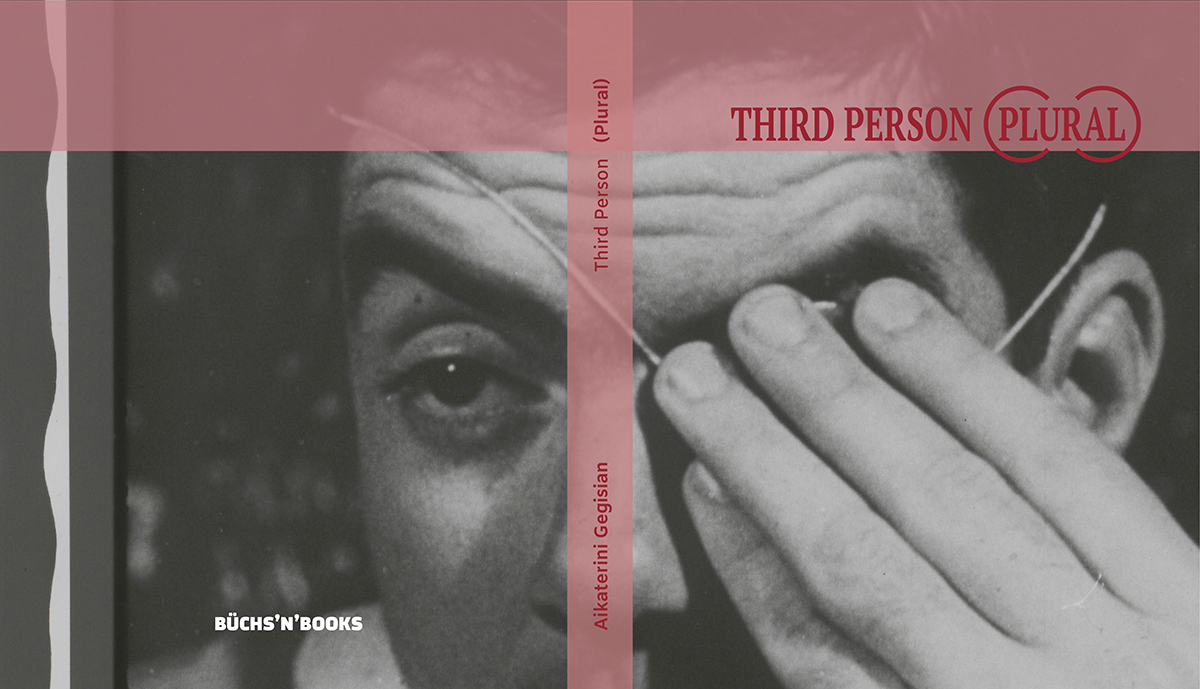
Third Person (Plural) ARTIST’S BOOK (2025)
Paperback Cover, 17.5 x 21 cm, 192 pages, 300 copies
BÜCHS’N’BOOKS – Art and Knowledge Production in Context
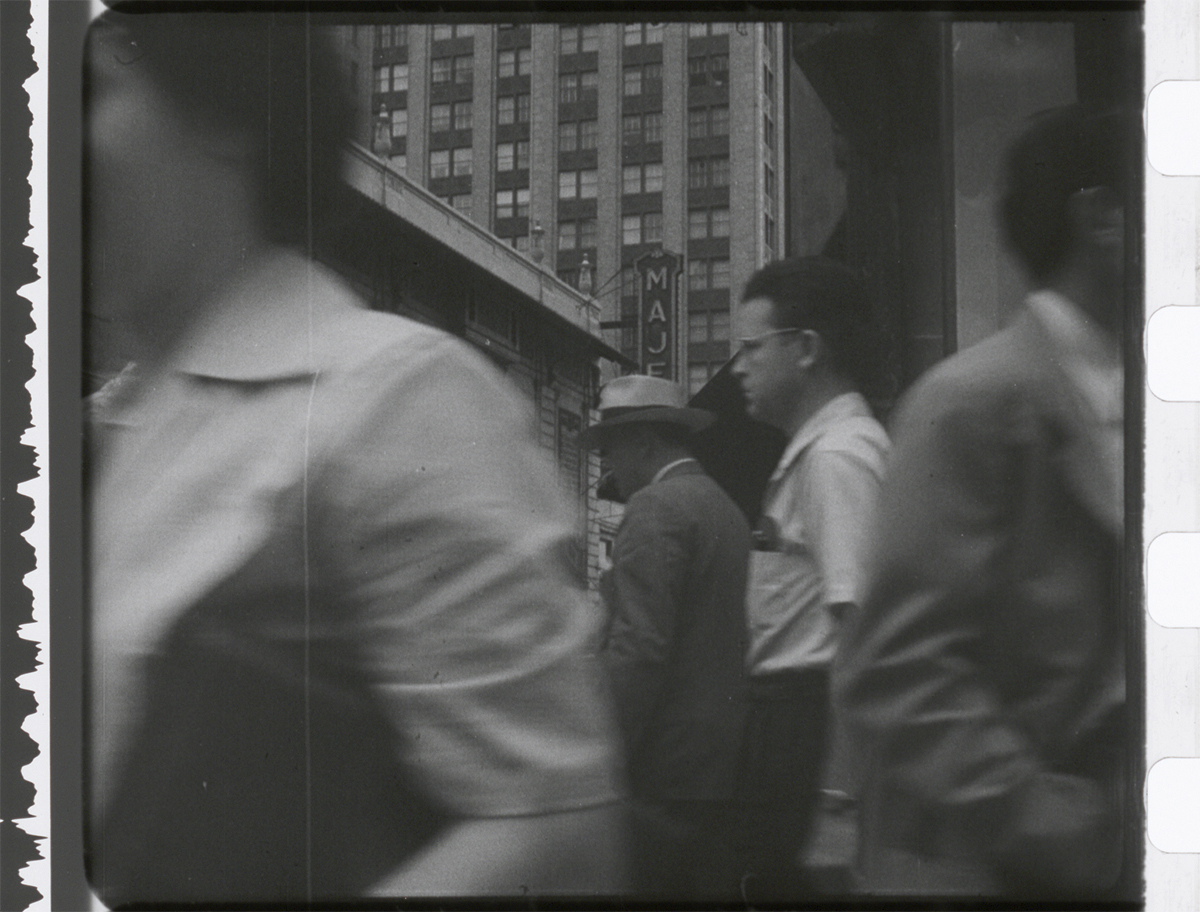
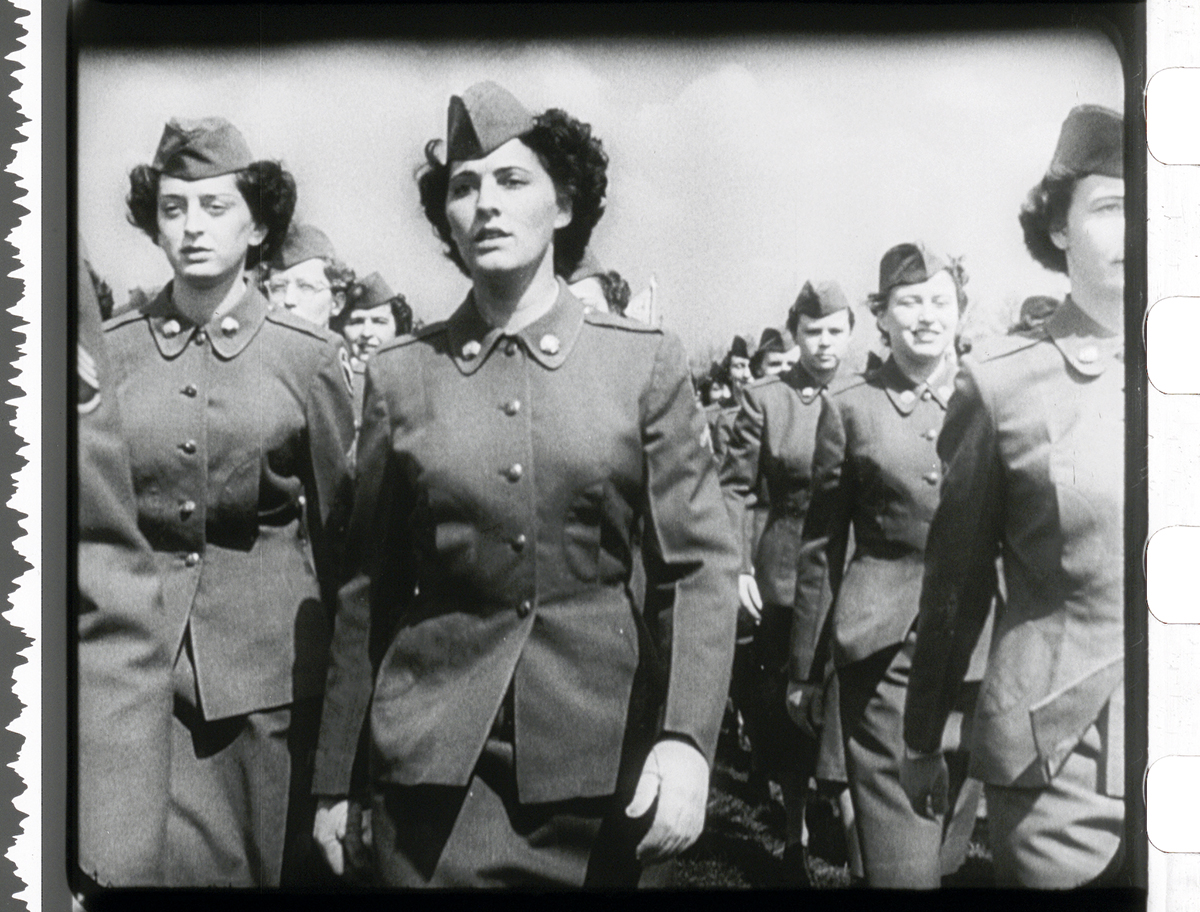
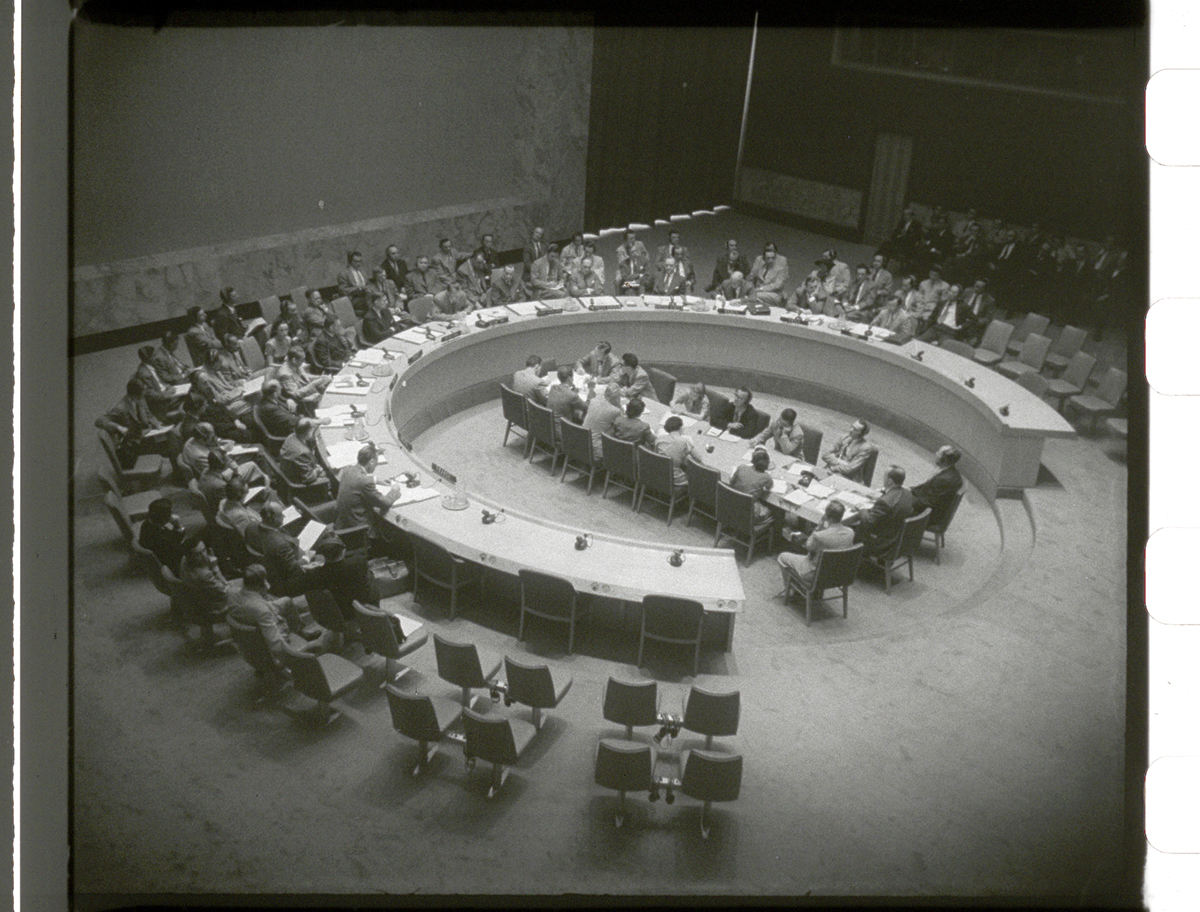
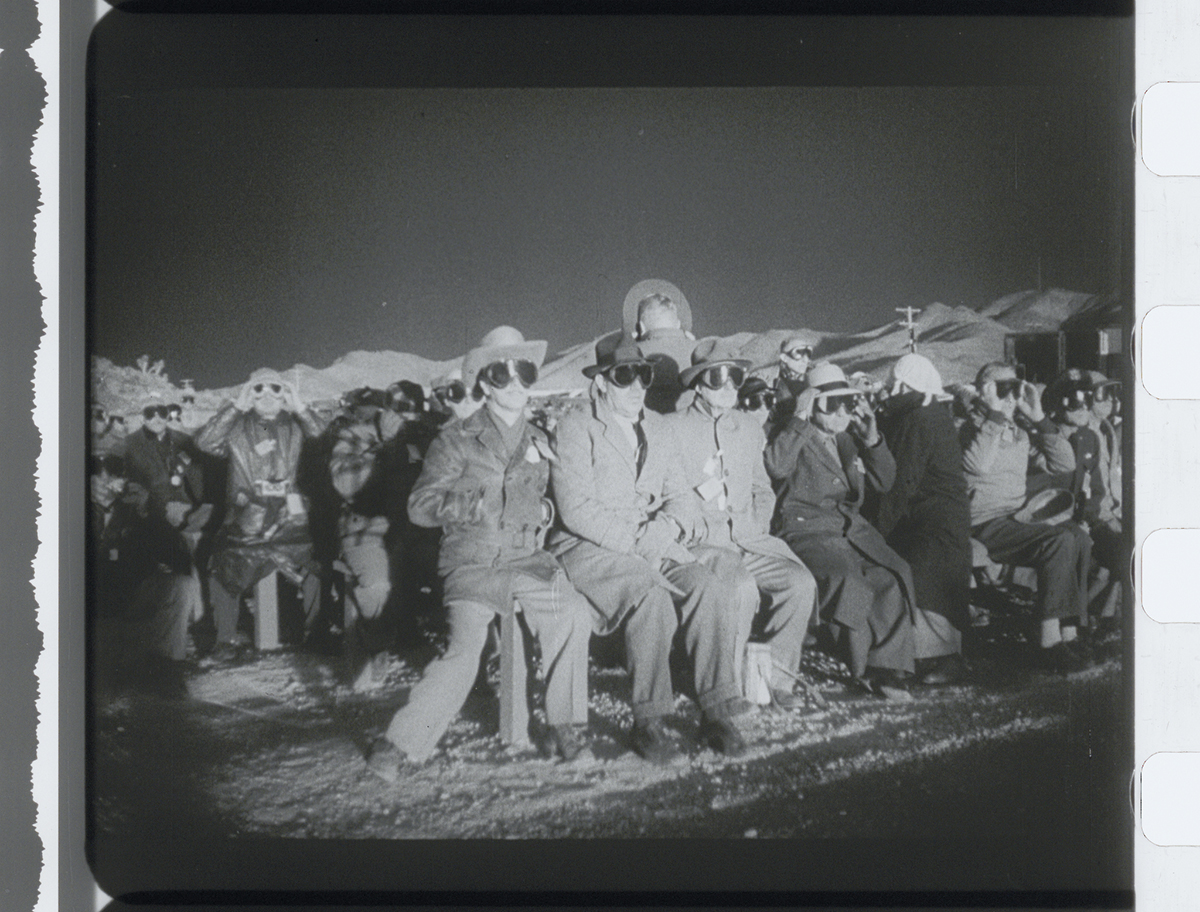
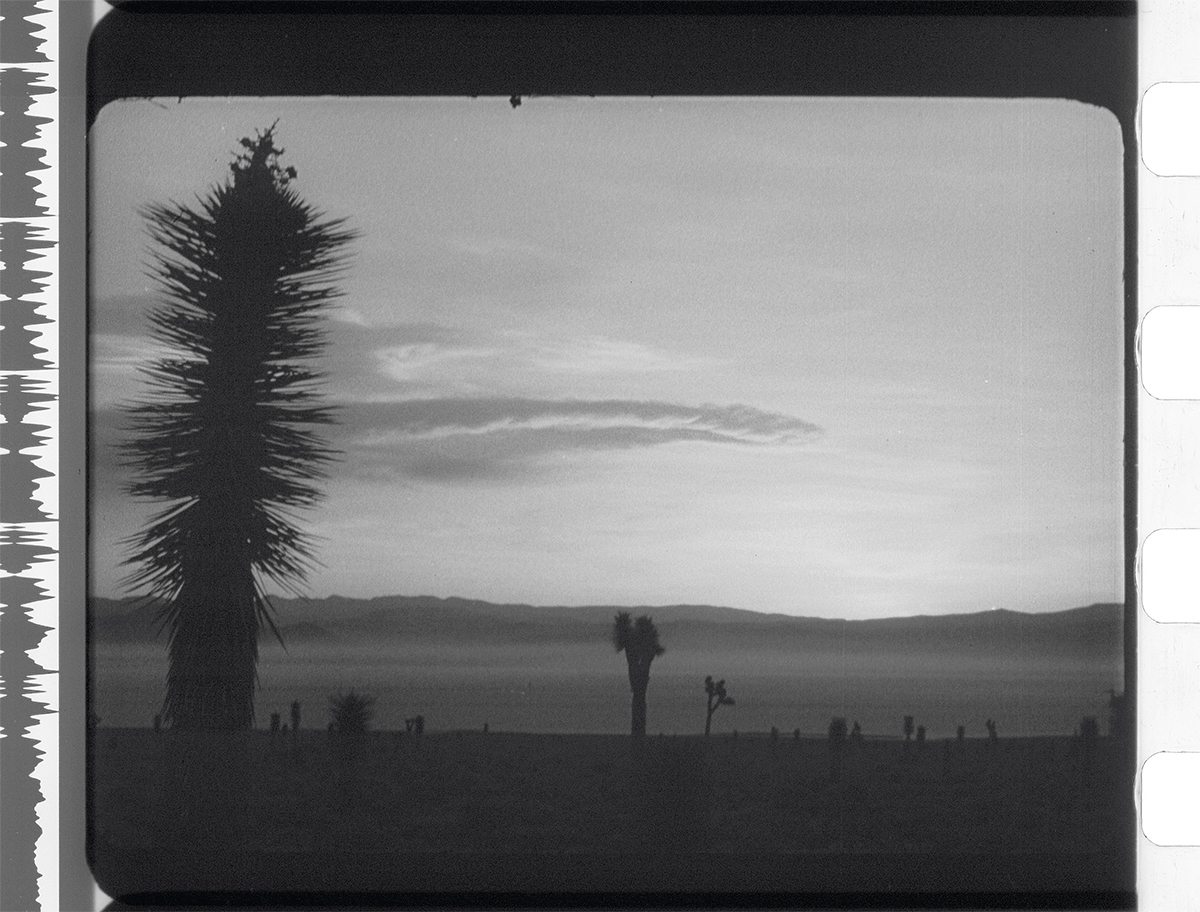
Third Person (Plural) forms a trilogy, a layered project that unfolds across a multi-screen installation, a feature-length essay collage film, and an artist’s book. The project is rooted in an extensive archival collection of over 200 postwar U.S. informational films and newsreels sourced from the Library of Congress and the American National Archives. Originating as a quest to source documents of the early European integration processes in the post-war United States, the project unfolds into an expansive feminist re-reading of the hegemonic masculine gaze and its manifestation in material images. This is a bracing encounter with the gaze that produced the ‘image’ of the world as the new, Western order bound by the notion of a united Europe, the delirium of the Cold War and decolonisation processes.
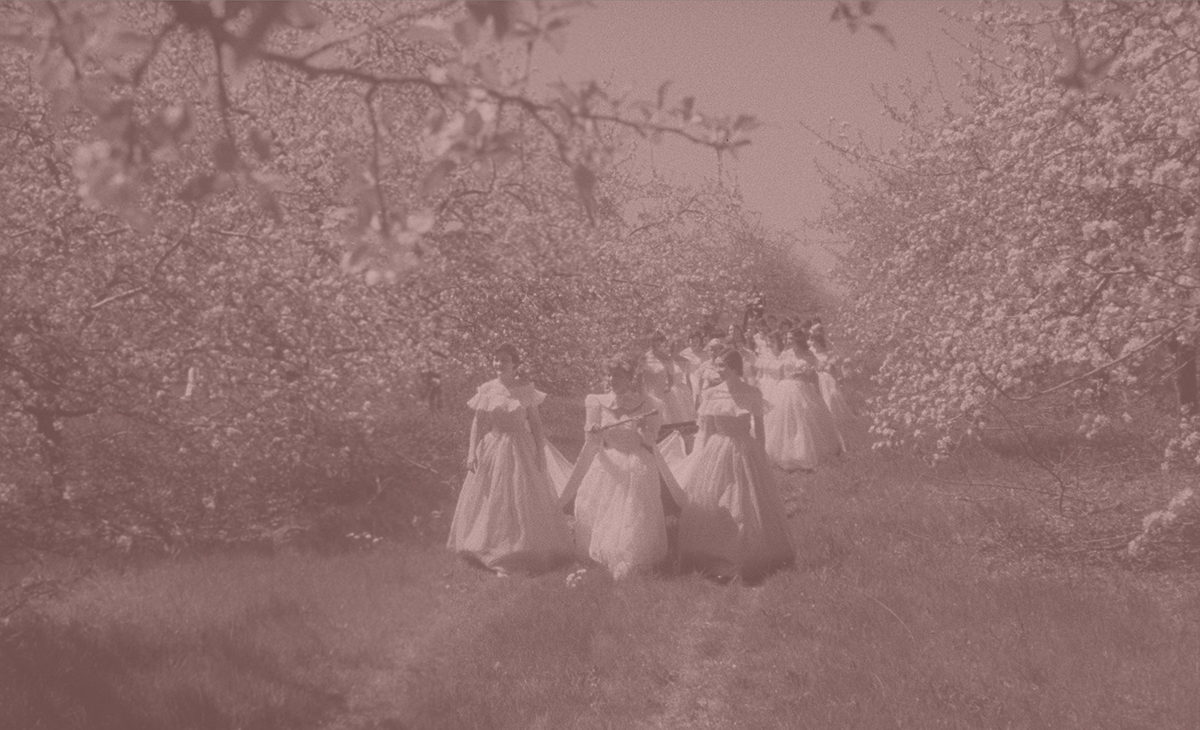
Third Person (Plural) installation is the first iteration of the project, with the 8 episodes presented in separate square TV monitors. The authoritative male disembodied voice of the newsreel, describing events and guiding the reading of images, is challenged by the collaging of fragments (a type of collaging that places film clips into new historical, contextual, thematic, gender, temporal and spatial relationships) and by the use of popular culture material sourced from the internet. The joining together of clips does not follow a chronological order. Rather is based on a temporal dislocation and a spatial destabilization of the global narratives that they highlight.
Third Person (Plural) film follows the episodic structure of the installation, while introducing another rupture through the adaptation of informational films produced by the first institutions of the European union. These clips become the forces that join the re-edited 8 episodes. By allowing for the incidental, and by embracing expanded associative thinking, the film challenges the function of the archive (the images that survive) by allowing diverse material to enter its closed system.
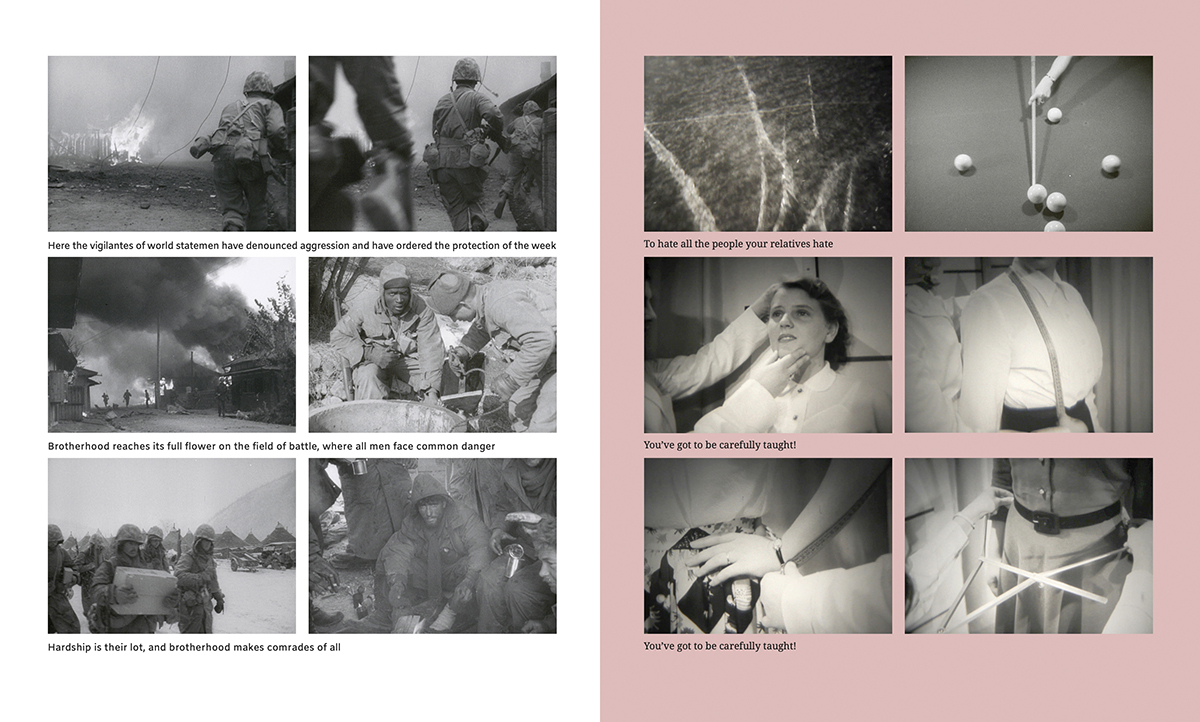
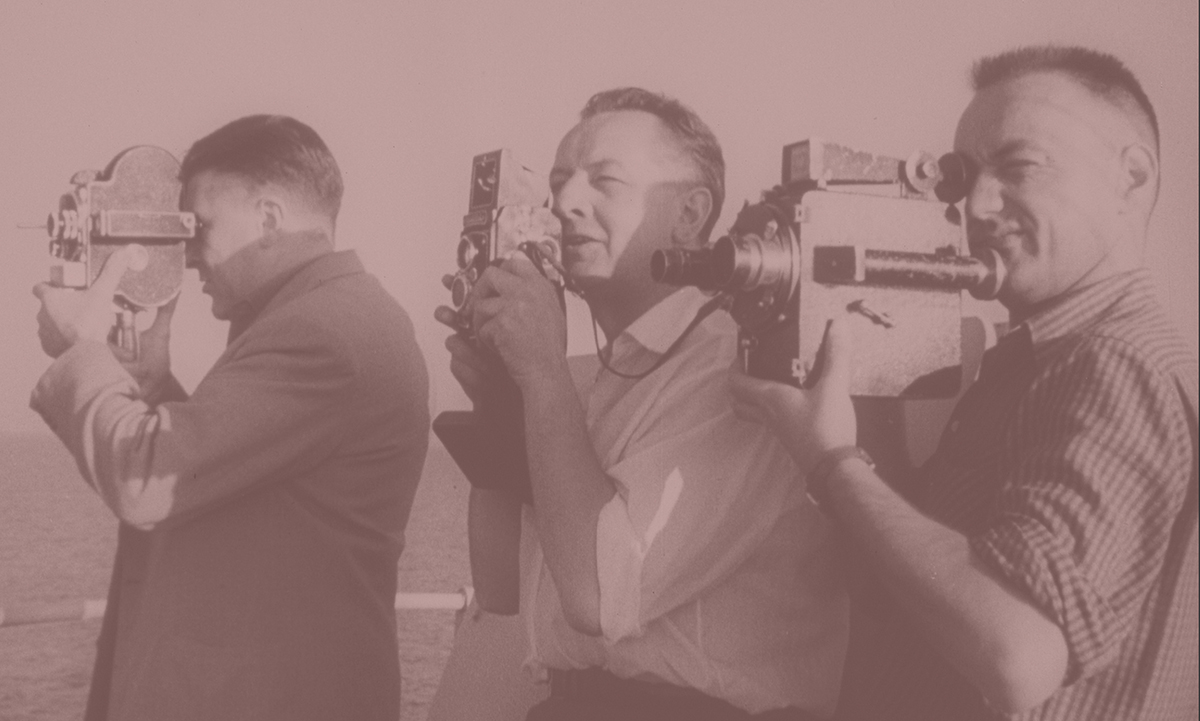
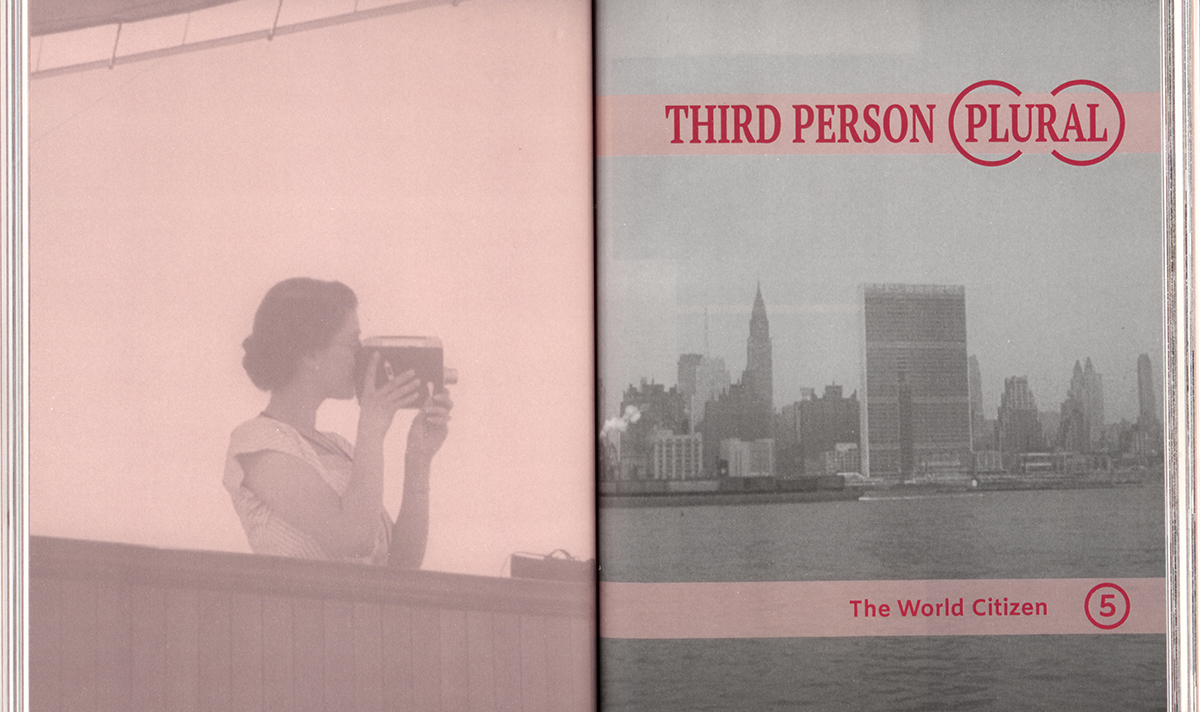
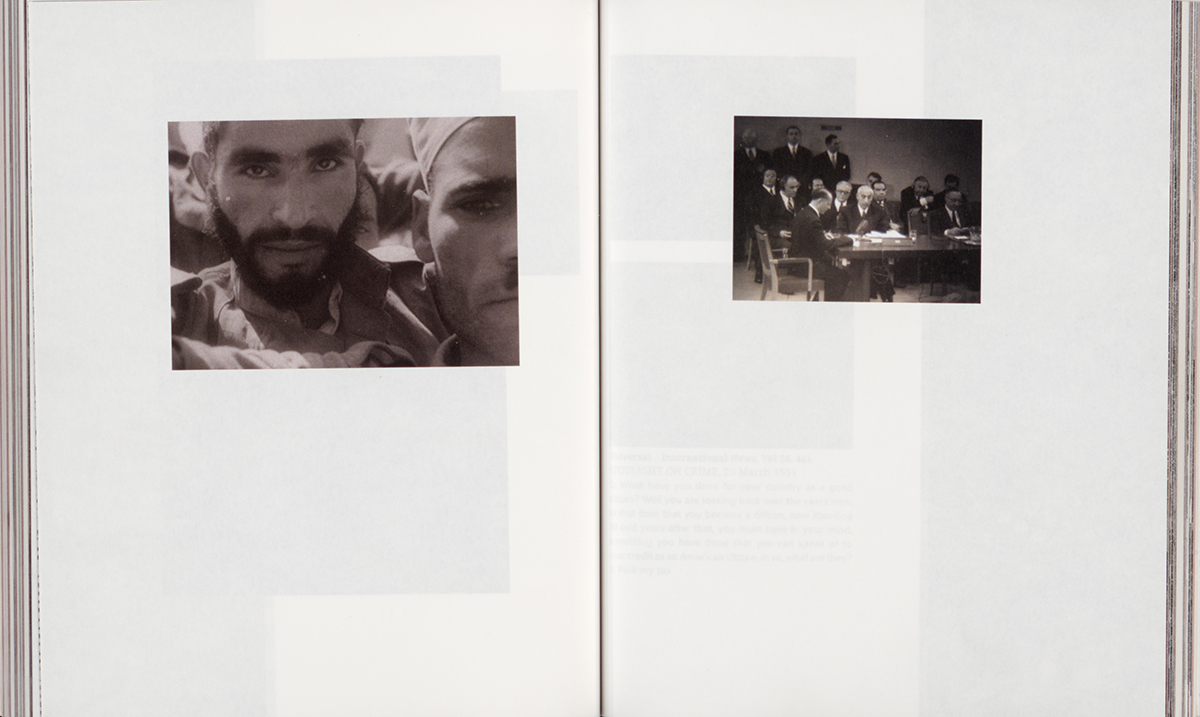
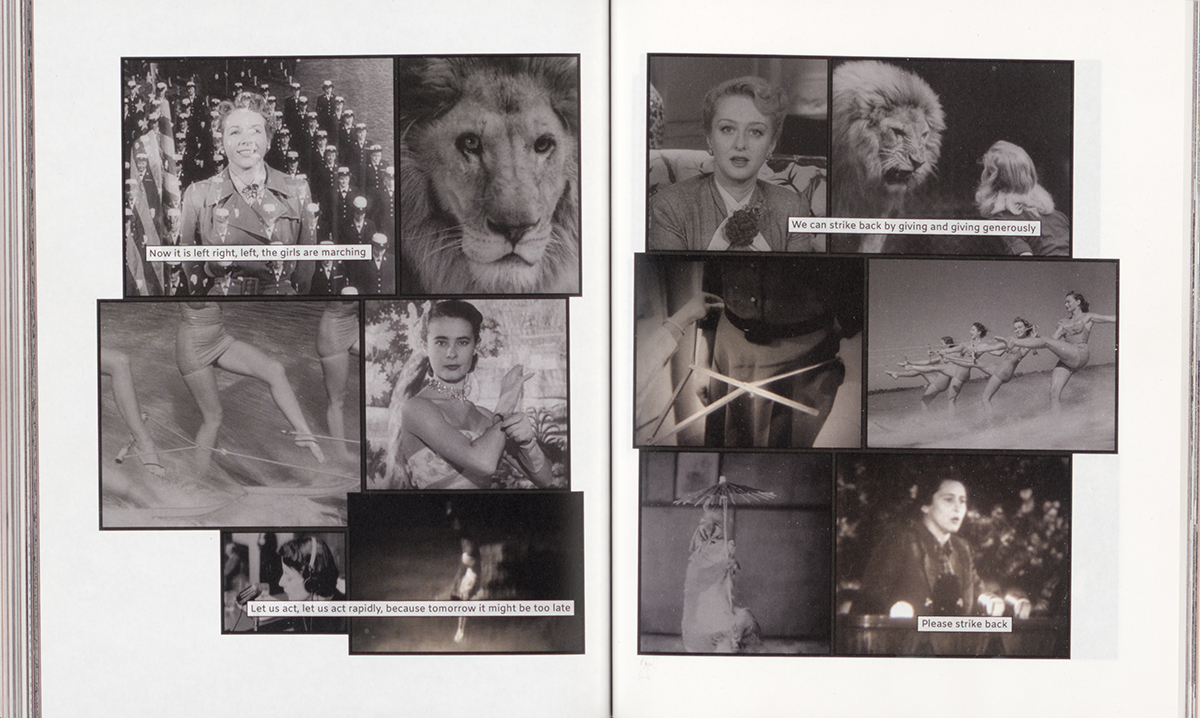
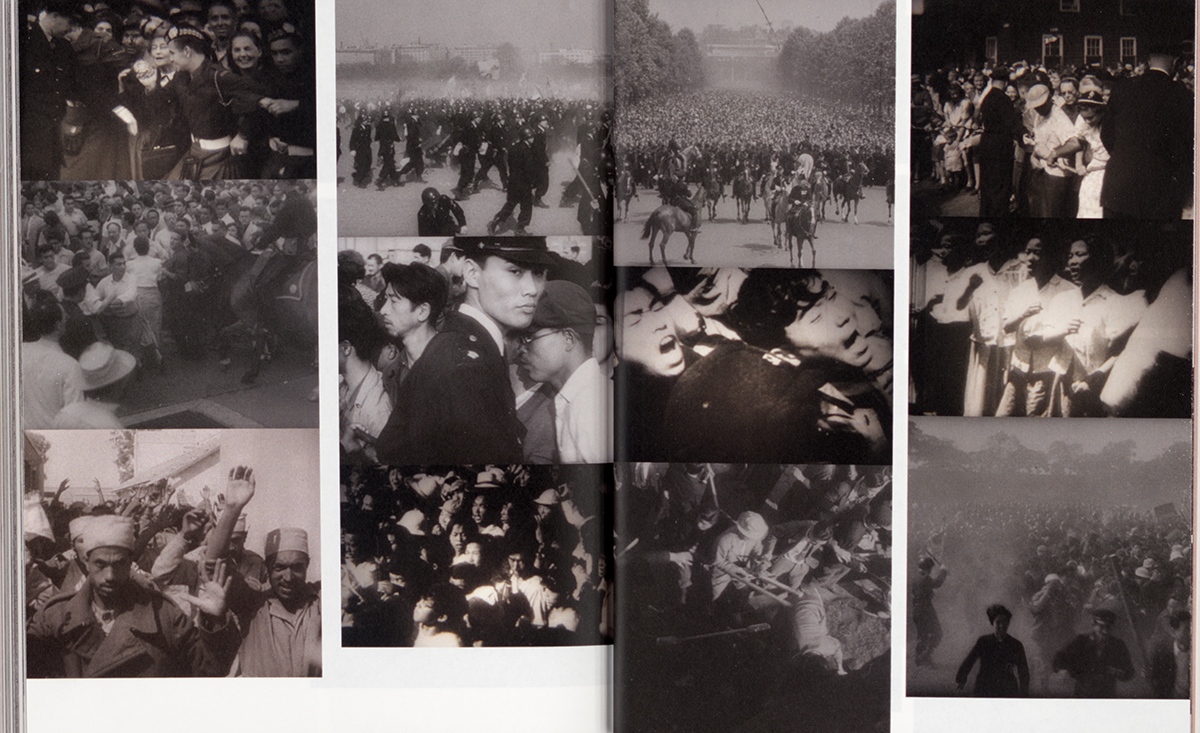
Third Person (Plural) Artist’s Book acts as both a companion and a counterpoint to the installation and film. Structured in eight chapters that mirror the film’s episodes, the book translates moving images into still photographs, through the visual language of the illustrated popular press. Each chapter takes the form of a magazine issue, combining film stills, texts, and layered images that are approached differently through graphic design to create distinct visual and conceptual rhythms. The chapters are punctuated by ‘letters to the editor,’ which emerge as collaborative readings of the archival material and reflect a multiplicity of voices, with contributions by Eray Çaylı, Ciara Chambers, Claire Delahey, David Kazanjian, Shoair Mavlian, Andrei Siclodi, and Su Wei. In compiling and bounding together these episodes, the book transcends formal boundaries, existing simultaneously as a catalogue, an academic interpretation, and a compelling work of art.
 Aikaterini Gegisian